NCDs Clinic: Bridging the Gap in Preventive Healthcare
Non-Communicable Diseases (NCDs): A Growing Global Challenge
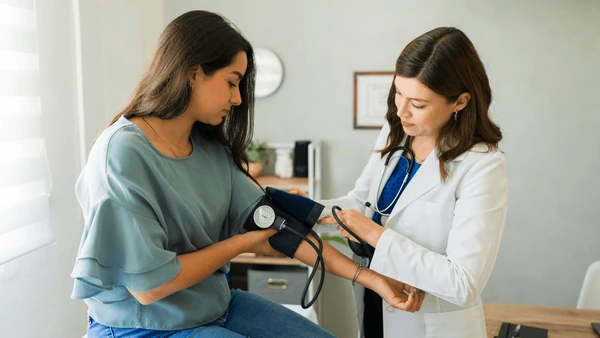
Non-communicable diseases (NCDs) like diabetes, hypertension, heart disease, stroke, and cancers are rising rapidly in India. Unlike infectious diseases, these conditions cannot be cured with a short course of medicines — they need long-term management and regular monitoring. To address this challenge, the government has set up NCDs clinics under the National Programme for Prevention and Control of Cancer, Diabetes, Cardiovascular Diseases, and Stroke (NPCDCS). These clinics are becoming the backbone of preventive and primary healthcare services.
What is an NCDs Clinic?
An NCDs clinic is a healthcare facility specially designed to screen, diagnose, and manage non-communicable diseases at district hospitals, community health centers (CHCs), and some primary health centers (PHCs).
Key services include:
- Screening of high-risk individuals.
- Diagnosis of common NCDs (diabetes, hypertension, etc.).
- Providing treatment and follow-up care.
- Referring complicated cases to higher centers.
- Counseling patients on lifestyle modifications.
Importance of NCDs Clinics
- Early Detection
- Regular screening helps detect diseases like diabetes and hypertension before complications arise.
- Affordable Care
- Services are mostly free or at minimal cost, making healthcare accessible to all.
- Continuity of Treatment
- Patients get consistent follow-up and monitoring, reducing the risk of hospital admissions.
- Lifestyle Counseling
- Diet, exercise, tobacco cessation, and stress management are emphasized.
- Reducing Burden on Tertiary Hospitals
- By managing cases at the local level, NCDs clinics prevent overcrowding in big hospitals.
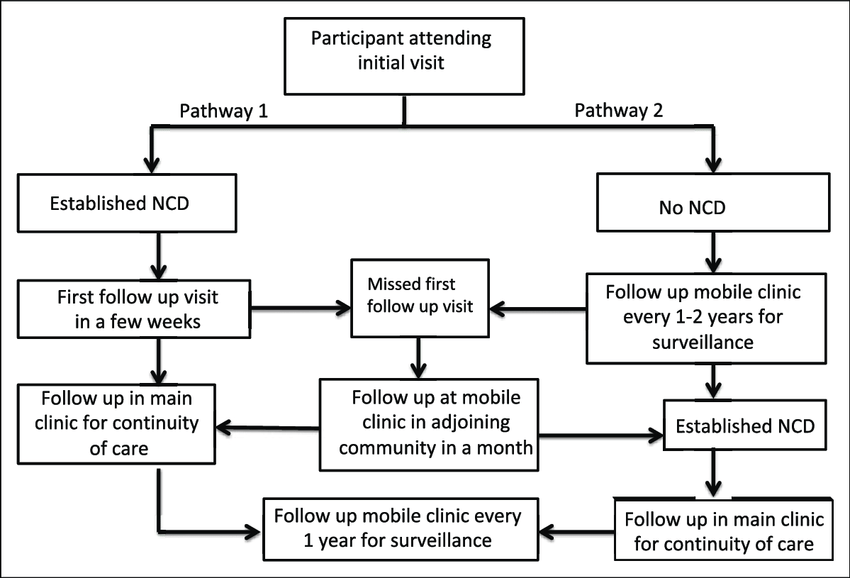
How an NCDs Clinic Works
- Patient Registration
- Individuals visiting the clinic are registered and their health records are created.
- Screening & Tests
- Blood pressure check, blood sugar testing, and other simple diagnostic tests are done.
- Treatment & Referral
- Basic medicines are provided. Complicated cases are referred to district or state-level hospitals.
- Health Education
- Awareness sessions are conducted to promote healthy lifestyles.
- Follow-Up
- Patients are called for regular check-ups to ensure treatment adherence.
Benefits for the Community
- Accessible Healthcare – Rural and urban populations both get access to specialized services.
- Better Outcomes – Early diagnosis prevents serious complications like heart attack or stroke.
- Community Engagement – Awareness drives encourage people to take preventive steps.
- Data Collection – Clinics feed data into the national NCD portal for policymaking.
Challenges Faced
- Shortage of trained healthcare professionals.
- Limited diagnostic facilities in remote areas.
- Irregular availability of medicines.
- Low awareness among people about preventive healthcare.
Future of NCDs Clinics
The government aims to:
- Expand NCDs clinics to every primary health center.
- Integrate telemedicine for remote consultations.
- Provide advanced diagnostic tools at community levels.
- Use AI-driven tools to predict high-risk individuals.
Conclusion
The NCDs clinic initiative is a game-changer in India’s fight against lifestyle-related diseases. By focusing on early detection, affordable care, and continuous treatment, these clinics not only save lives but also reduce the overall healthcare burden. As awareness increases and facilities improve, NCDs clinics will play a crucial role in ensuring a healthier future for India.