Understanding Non-Communicable Diseases (ncds): Definition, Causes, and Impact
Non-Communicable Diseases (NCDs): A Growing Global Challenge
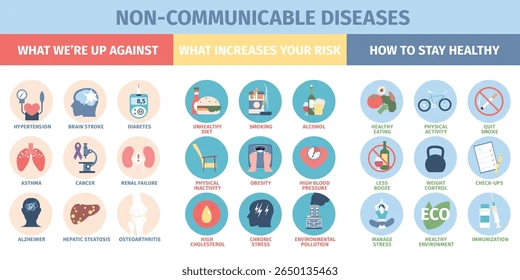
In today’s fast-paced world, health challenges are changing. Unlike infectious diseases that spread from person to person, conditions such as diabetes, hypertension, heart disease, cancer, and chronic respiratory illnesses are increasingly common. These are known as non-communicable diseases (NCDs). To fully understand their seriousness, we must first know the non communicable diseases definition, their causes, and how they affect individuals and society.
Non Communicable Diseases Definition
The non communicable diseases definition refers to medical conditions that are not spread through infection or contact with other people. Instead, they are usually long-lasting, progress slowly, and result from a mix of genetic, physiological, environmental, and lifestyle factors.
Common examples include:
- Cardiovascular diseases (heart attacks, stroke)
- Diabetes
- Chronic respiratory diseases (asthma, COPD)
- Cancers

Key Characteristics of NCDs
- Long Duration
- Unlike common infections, NCDs often last for years or even a lifetime.
- Slow Progression
- Symptoms may develop gradually and may not be visible until advanced stages.
- Non-Infectious Nature
- They cannot spread from person to person.
- Complex Causes
- Lifestyle factors (diet, inactivity, tobacco, alcohol), environmental exposure, and genetics play a big role.
Major Causes of NCDs
- Unhealthy Diets
Processed foods, sugary drinks, and excess salt increase risks. - Physical Inactivity
Sedentary lifestyles raise chances of obesity and related illnesses. - Tobacco Use
Cigarette smoking and smokeless tobacco are leading contributors to cancer, heart disease, and respiratory issues. - Alcohol Consumption
Excessive drinking increases risks of liver disease, cancer, and accidents. - Environmental Factors
Air pollution and poor urban infrastructure contribute to respiratory and cardiovascular diseases.
Global and Indian Perspective
- Worldwide:
NCDs account for around 70% of global deaths, according to WHO. - In India:
Over 60% of total deaths are due to NCDs. The rapid urbanization, changing diets, and stress levels make India a hotspot for lifestyle-related conditions.
Impact of NCDs
- On Individuals
- Reduced quality of life.
- Long-term medication expenses.
- Emotional stress for families.
- On Society
- Increased healthcare costs.
- Lower workforce productivity.
- Heavy economic burden on developing nations like India.
Preventing NCDs
- Eat a balanced diet rich in fruits, vegetables, and whole grains.
- Exercise regularly—at least 30 minutes of moderate activity daily.
- Avoid tobacco in all forms.
- Limit alcohol consumption.
- Go for regular health check-ups and screenings.
Non-Communicable Diseases (NCDs): Causes, Prevention, and Global Impact
Non-Communicable Diseases (NCDs) are one of the most significant health challenges of the 21st century. Unlike infectious diseases, NCDs are not spread from person to person. Instead, they are usually long-term conditions caused by genetic, lifestyle, and environmental factors. With rising urbanization, sedentary lifestyles, and unhealthy dietary habits, NCDs are now responsible for nearly 70% of deaths worldwide.
In this blog, we will explore what NCDs are, their types, causes, prevention strategies, and why awareness about these diseases is so important.
What Are Non-Communicable Diseases (NCDs)?
Non-Communicable Diseases, also known as chronic diseases, are medical conditions that:
- Progress slowly
- Last for long durations
- Cannot be transmitted between individuals
The four major categories of NCDs are:
- Cardiovascular Diseases – Heart attacks, strokes, and hypertension
- Cancers – Various types of malignant growths
- Chronic Respiratory Diseases – Asthma, chronic obstructive pulmonary disease (COPD)
- Diabetes – Type 1 and Type 2 diabetes
Key Causes of NCDs
Several risk factors contribute to the rise of NCDs. Some of the most common include:
- Unhealthy Diets – High consumption of fast food, sugary drinks, and processed items.
- Lack of Physical Activity – Sedentary lifestyles increase the risk of obesity and diabetes.
- Tobacco Use – Smoking and chewing tobacco are major causes of cancer and heart disease.
- Alcohol Consumption – Excessive drinking affects the liver, heart, and overall health.
- Air Pollution – Both indoor and outdoor pollution worsen respiratory diseases.
- Genetics & Family History – Some individuals are predisposed to NCDs.
Global Impact of NCDs
According to the World Health Organization (WHO):
- NCDs account for 41 million deaths annually.
- Nearly 77% of all NCD-related deaths occur in low- and middle-income countries.
- Cardiovascular diseases are the leading cause of NCD deaths.
This highlights the urgent need for prevention, early diagnosis, and better healthcare infrastructure.
Prevention of Non-Communicable Diseases
While NCDs cannot be transmitted, they can largely be prevented and managed by adopting a healthy lifestyle. Some effective preventive measures include:
- Healthy Eating Habits
- Increase intake of fruits, vegetables, and whole grains.
- Limit sugar, salt, and unhealthy fats.
- Regular Exercise
- At least 30 minutes of moderate activity daily can reduce the risk of diabetes and heart disease.
- Quit Smoking and Alcohol
- Eliminating tobacco and limiting alcohol can drastically cut down health risks.
- Regular Health Check-ups
- Early screening helps in timely detection of hypertension, diabetes, and cancer.
- Stress Management
- Meditation, yoga, and mindfulness practices help maintain mental well-being.
Role of Governments and Health Organizations
Governments and global health bodies are working towards reducing the burden of NCDs through:
- Awareness campaigns
- Taxation on tobacco and alcohol
- Promotion of physical activity in schools and workplaces
- Strengthening healthcare systems for early diagnosis and treatment
Importance of Raising Awareness About NCDs
Many people are still unaware of how lifestyle choices affect their long-term health. By spreading knowledge about NCDs, we can:
- Reduce the overall disease burden
- Encourage individuals to adopt healthier lifestyles
- Ensure a healthier future generation
Conclusion
Non-Communicable Diseases (NCDs) are a silent global epidemic that affects millions every year. However, with the right lifestyle choices, awareness, and medical care, these diseases can be prevented or managed effectively. By prioritizing health, embracing fitness, and avoiding harmful habits, we can collectively reduce the devastating impact of NCDs.
If you are looking for more information on NCDs, prevention programs, and health awareness campaigns, stay updated with trusted health portals and consult medical experts regularly.
Conclusion
The non communicable diseases definition highlights that these conditions are not spread through infection but arise from lifestyle and environmental factors. They are long-term, slow-progressing, and require lifelong management. With growing awareness and preventive steps, we can reduce their impact on individuals and society.